Electroless nickel
We review pH, temperature, metal concentration, reduction reaction, and bath stability to support uniform deposits.
- Bath analysis
- Deposit stability
- Defect diagnosis
KOREAN FORMULATION · VIETNAM MANUFACTURING
Korean formulation expertise combined with Vietnam-based manufacturing and technical support helps improve quality at customer production sites.
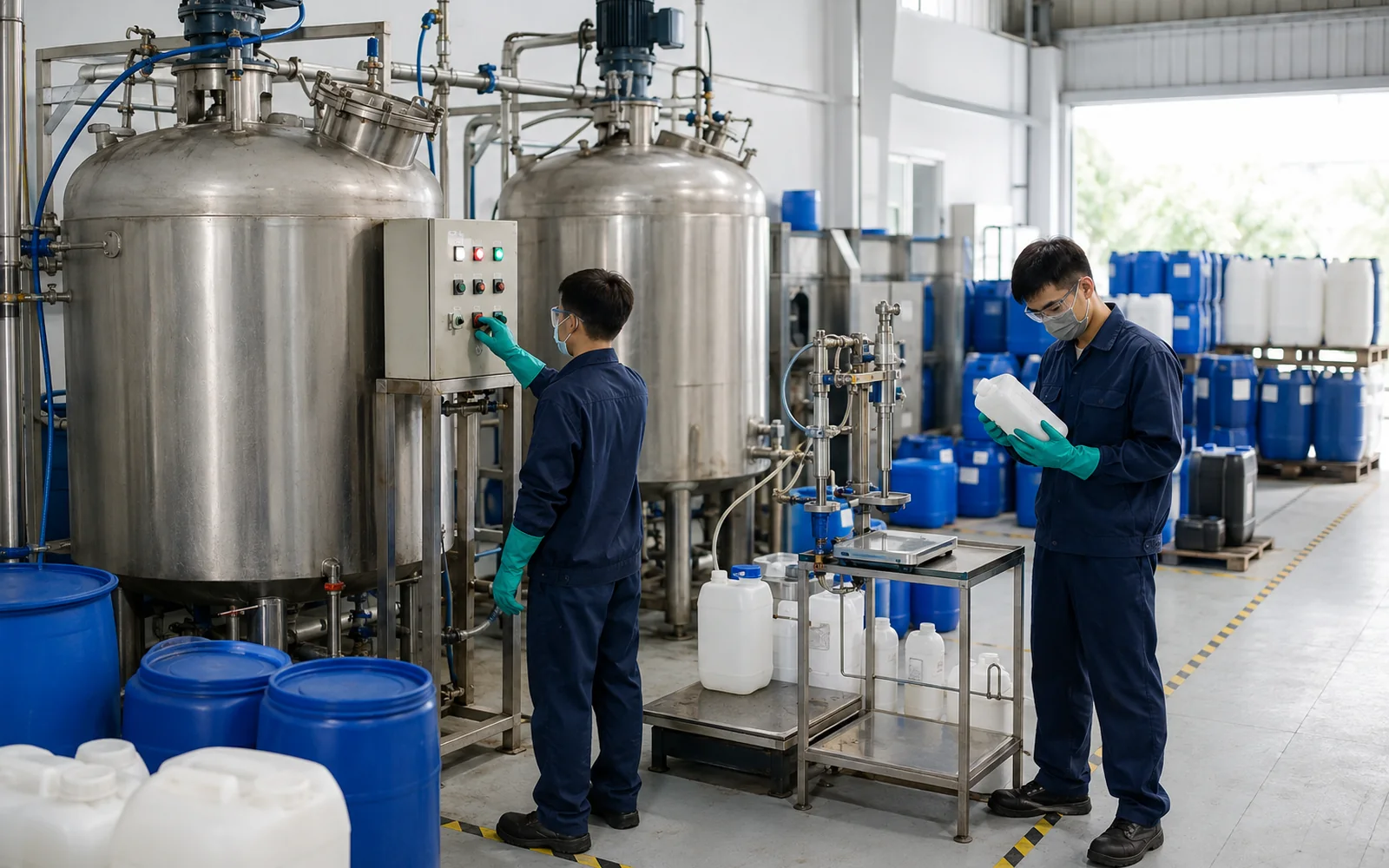
10 YEARS IN VIETNAM
Since starting in Bac Ninh in 2016, PLACHEM VINA has connected Korean formulation expertise with operating conditions in Vietnam. Our support extends from chemical supply to process review, defect diagnosis, and control-condition checks.
PRODUCT PORTFOLIO
From cleaning and activation to plating, conversion coating, post-treatment, and bath-management equipment, we review chemicals and support around the full process flow.
 01
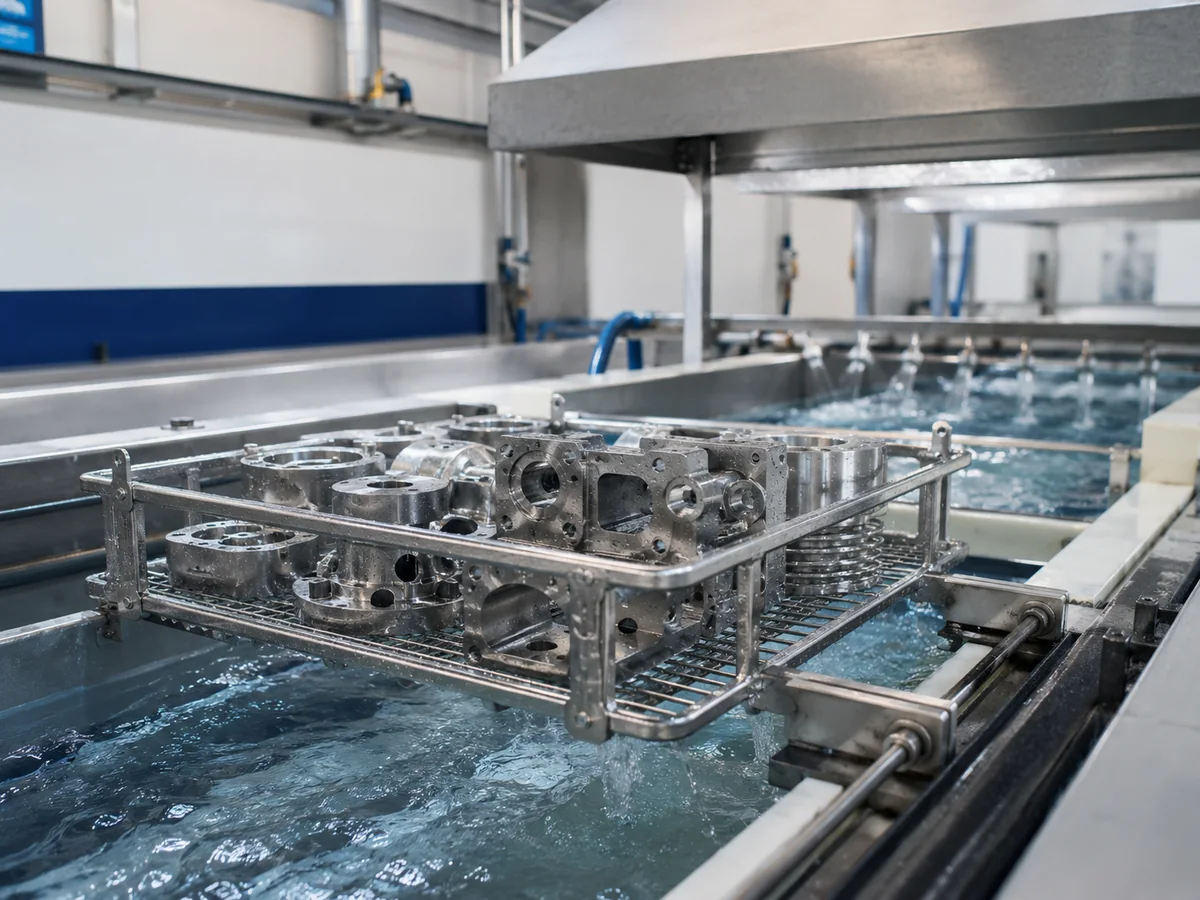
01Substrate-specific degreasing, pickling, etching, desmut and activation establish a clean, active surface for subsequent plating and coating.
Steel and iron · Copper and copper alloys · Aluminum and its alloys · Zinc and zinc-plated surfaces · Nickel underlayers↗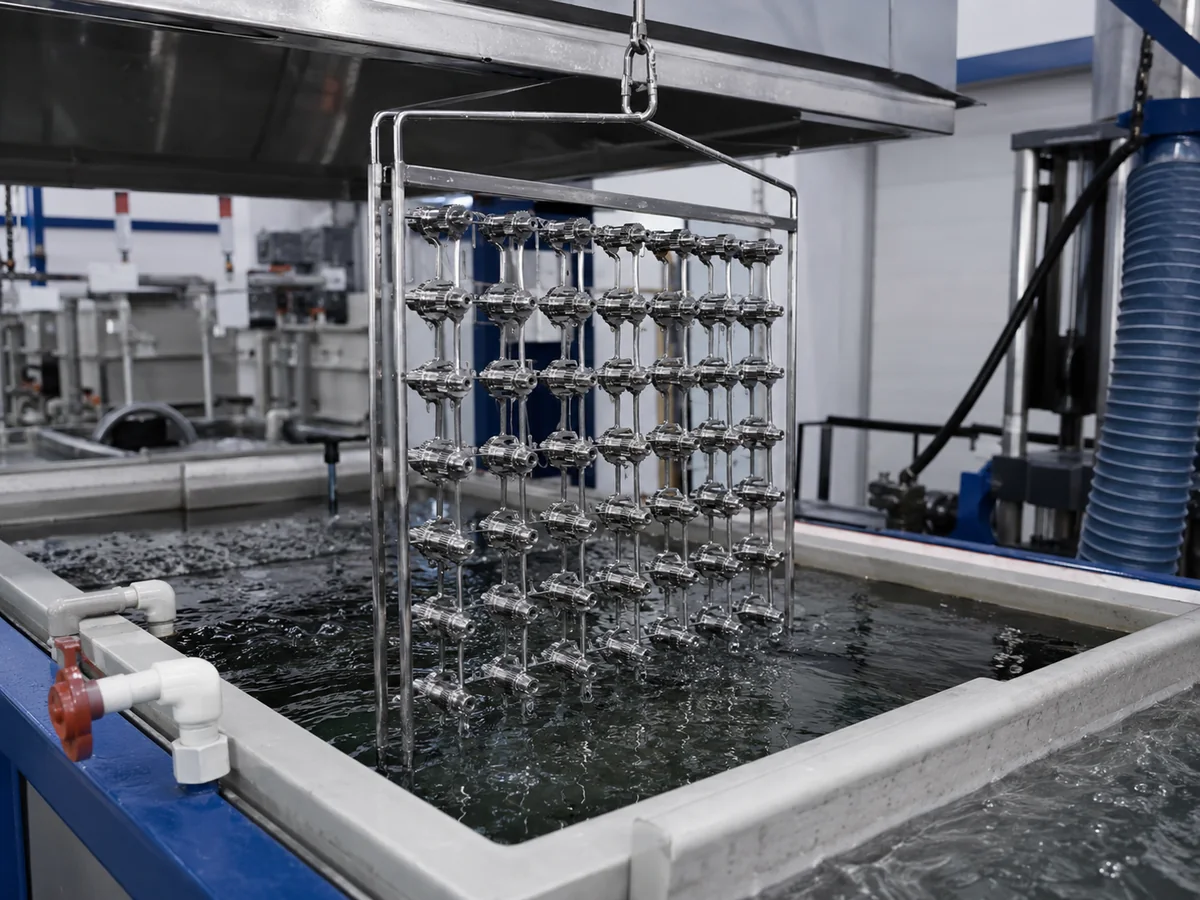 02
02Copper, nickel, tin, zinc, chromium, silver and gold baths are managed together with current, additives, agitation and filtration.
Steel and iron · Copper and copper alloys · Zinc-based surfaces · Nickel underlayers · Connectors and electrical contacts↗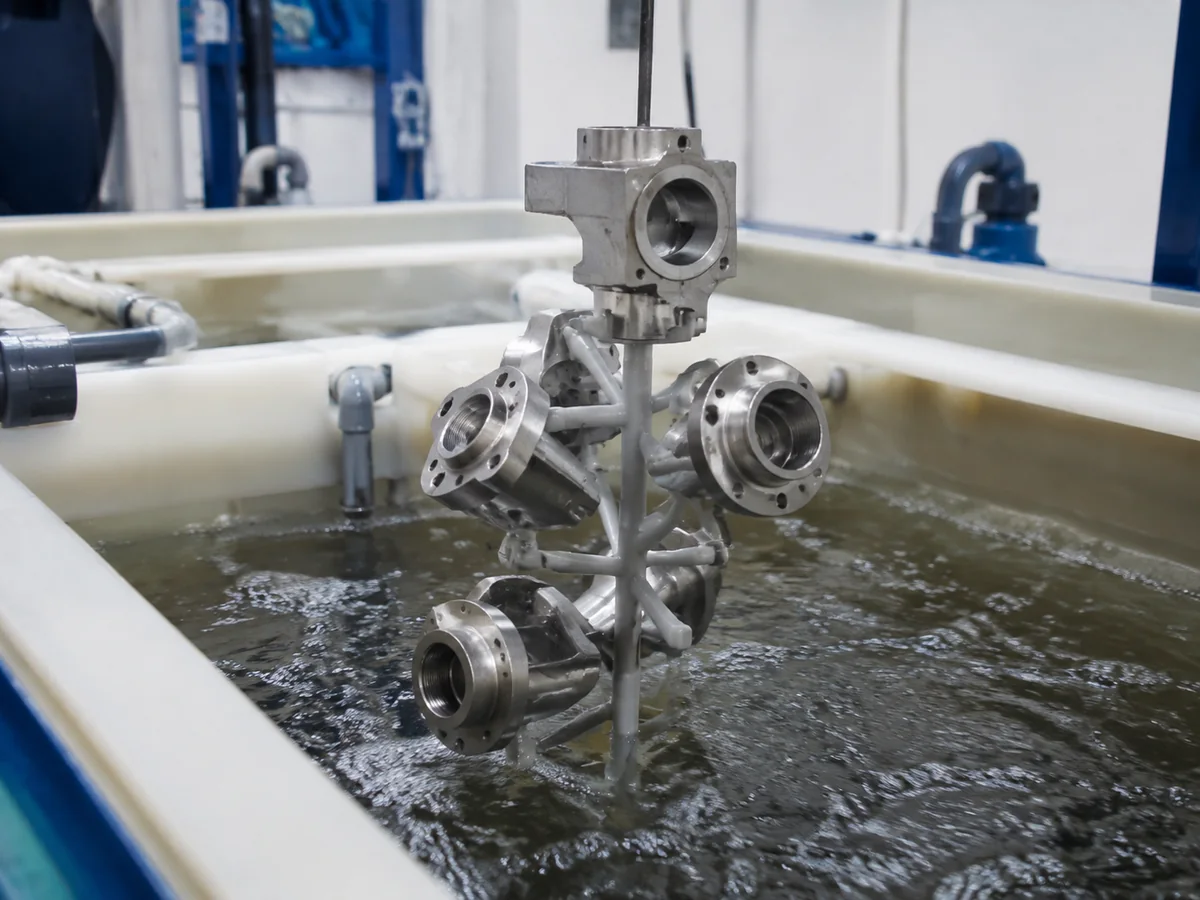 03
03Metal, reducer, pH, temperature and bath loading are controlled to maintain deposition rate and stability in electroless nickel and copper.
Steel and iron · Copper and copper alloys · Aluminum and its alloys · Catalyzed non-conductors · Electronic and precision parts↗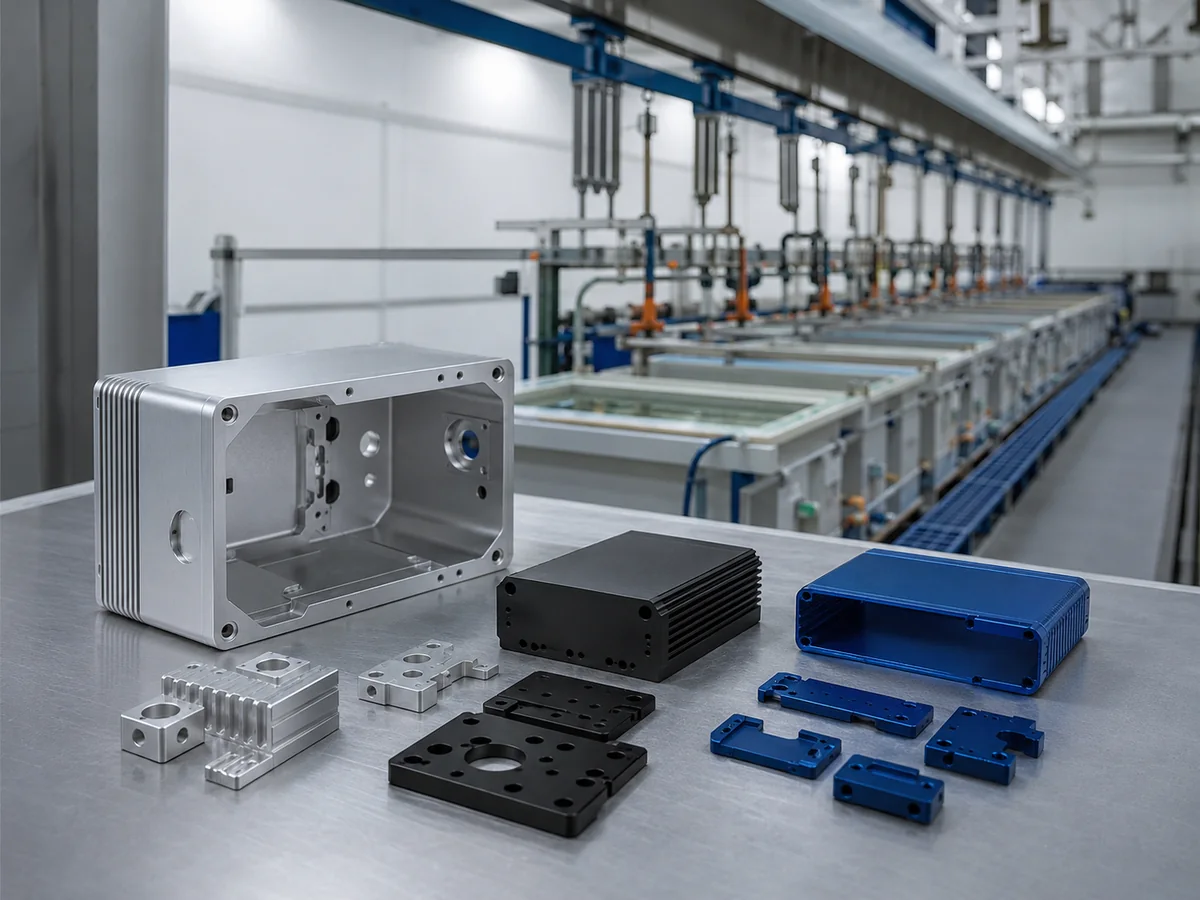 04
04Alloy-specific chemical polishing, etching and desmut are managed through anodizing, dyeing, sealing and nickel leach-out removal.
Aluminum and aluminum alloys · Aluminum sheet and machined parts · Precision-machined parts · Decorative components · Functional oxide-film parts↗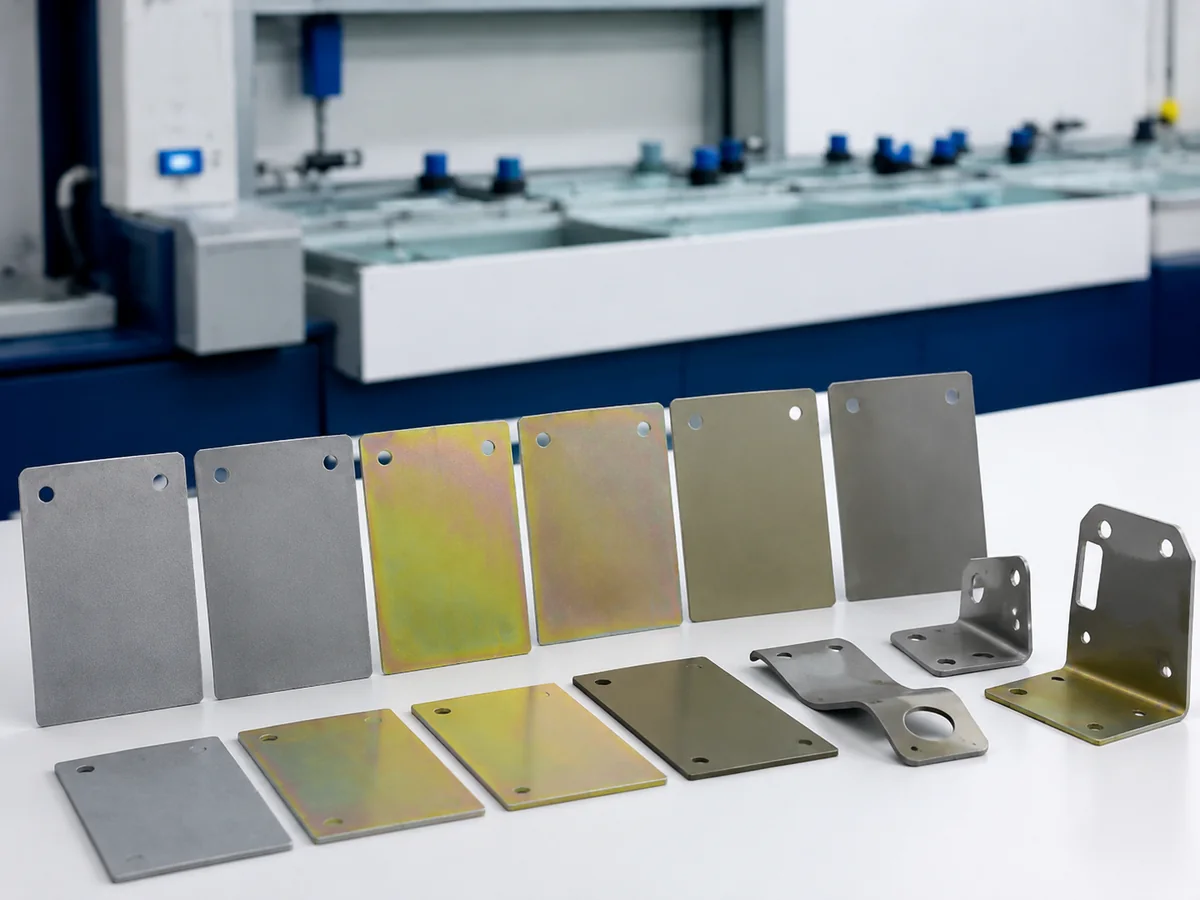 05
05Phosphate, chromate and zincate treatments for steel, zinc and aluminum are reviewed with pretreatment and downstream processes.
Steel and iron · Zinc and zinc-plated surfaces · Aluminum and its alloys · Copper and copper alloys · Substrates before painting or plating↗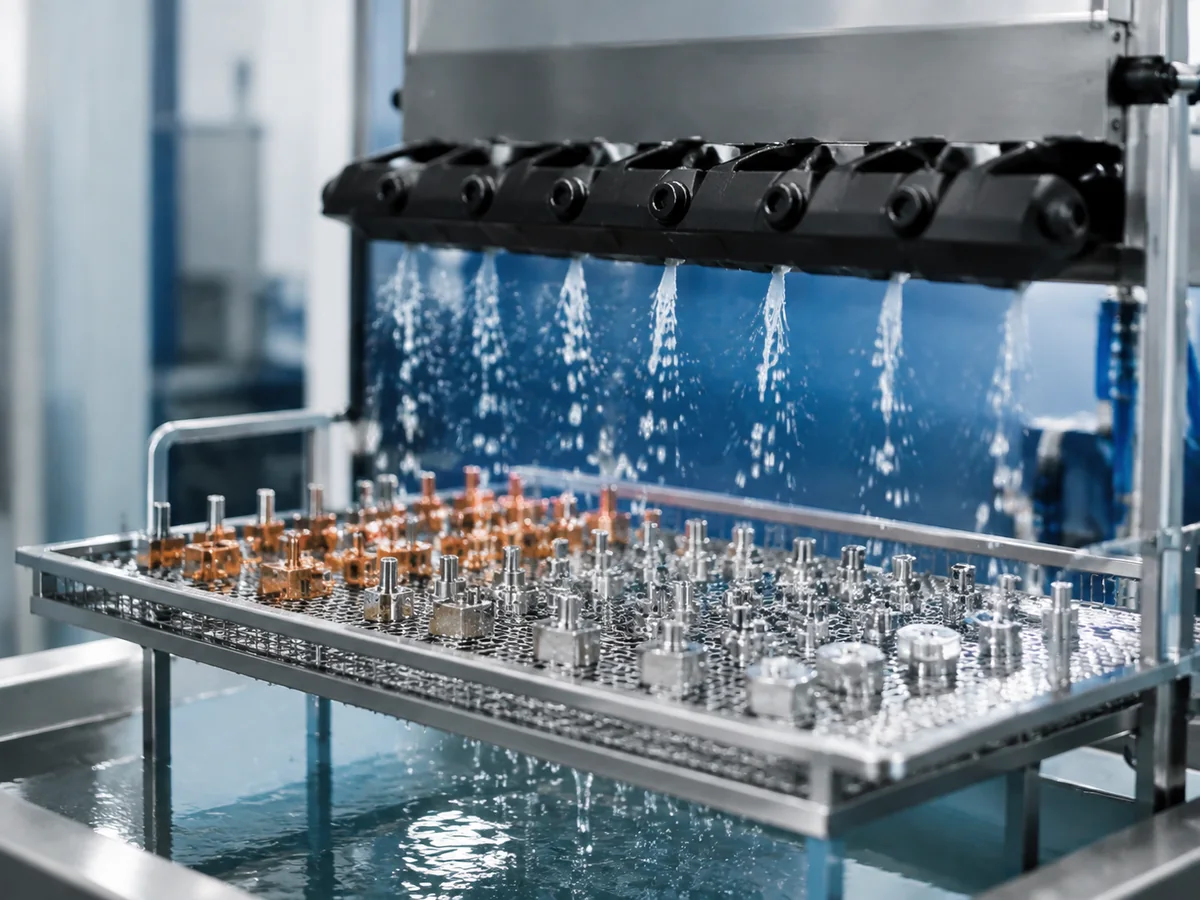 06
06Anti-tarnish, protective coatings and specialty cleaning/removal processes improve appearance, corrosion resistance and storage stability after plating.
Copper and copper alloys · Silver-plated surfaces · Nickel- and tin-plated surfaces · Contacts and connectors · Decorative and functional parts↗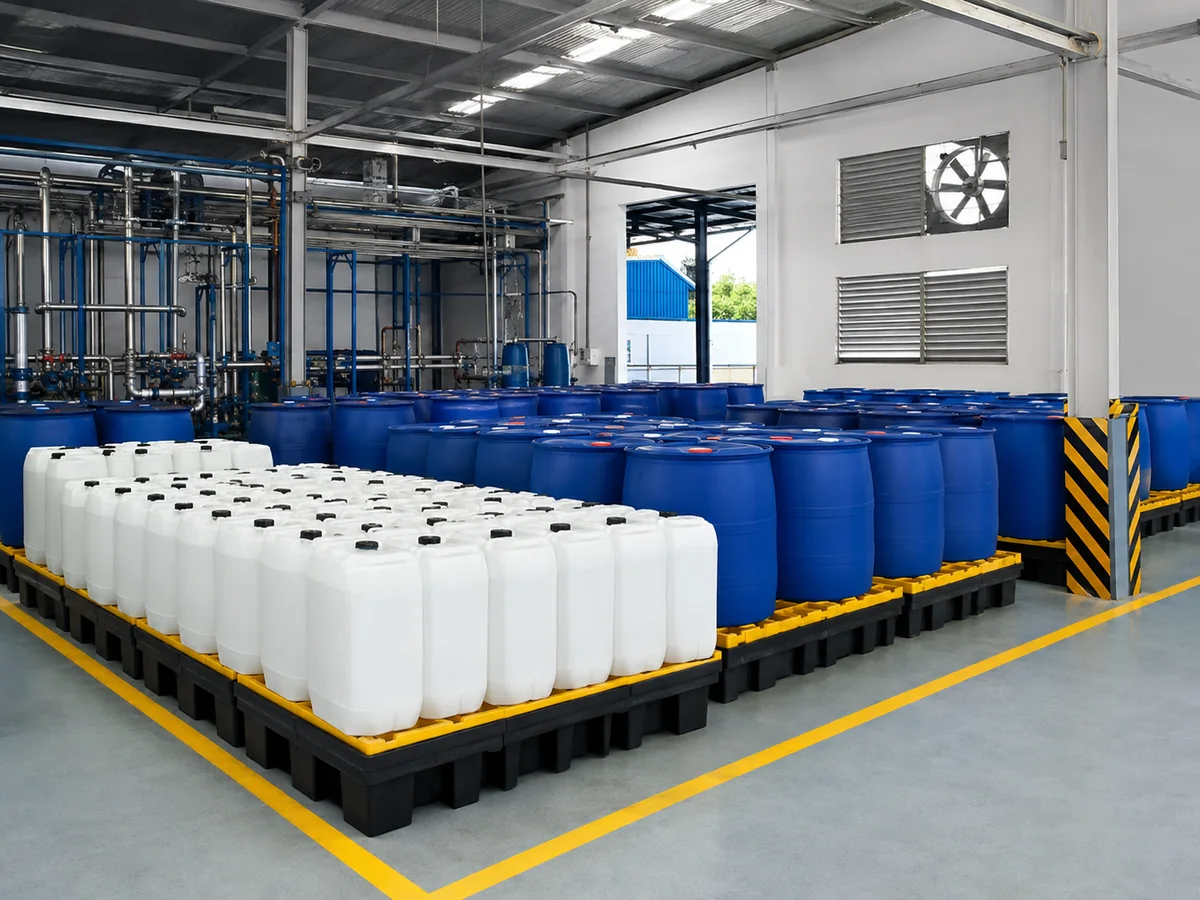 07
07Sulfuric, hydrochloric and nitric acids, caustic soda and other line chemicals are managed by specification, concentration, replenishment and lot.
Sulfuric acid · Hydrochloric acid · Nitric acid · Caustic soda · Acid and alkaline raw materials for finishing↗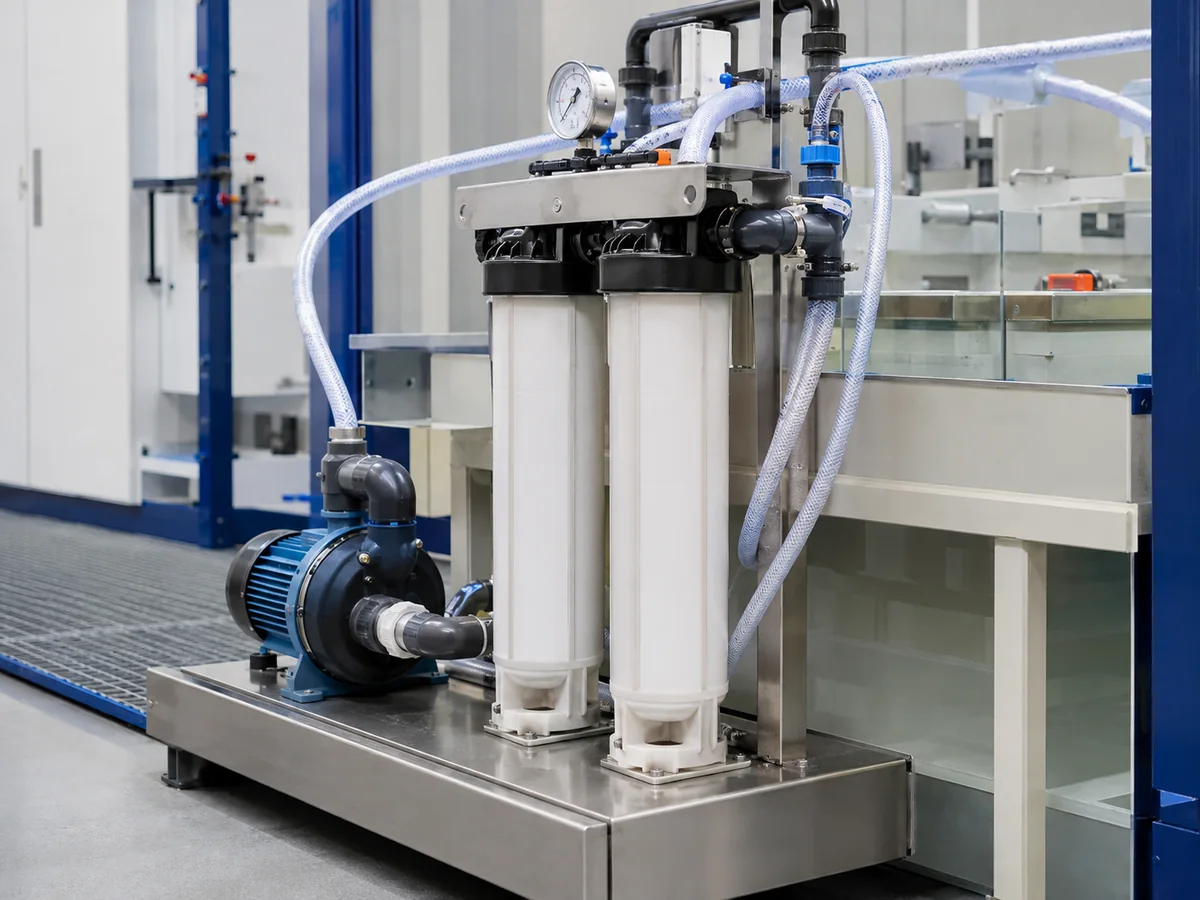 08
08Circulation, filters and carbon-treatment conditions are reviewed by process to control particles, sludge and organic contamination in plating baths.
Plating-bath filter systems · Filter cartridges and media · Chemical-resistant pumps and piping · Carbon-treatment systems · Tank and agitation equipment↗CORE PROCESS
Surface treatment quality depends on the connection between pretreatment, bath composition, temperature, agitation, filtration, rinsing, and post-treatment.
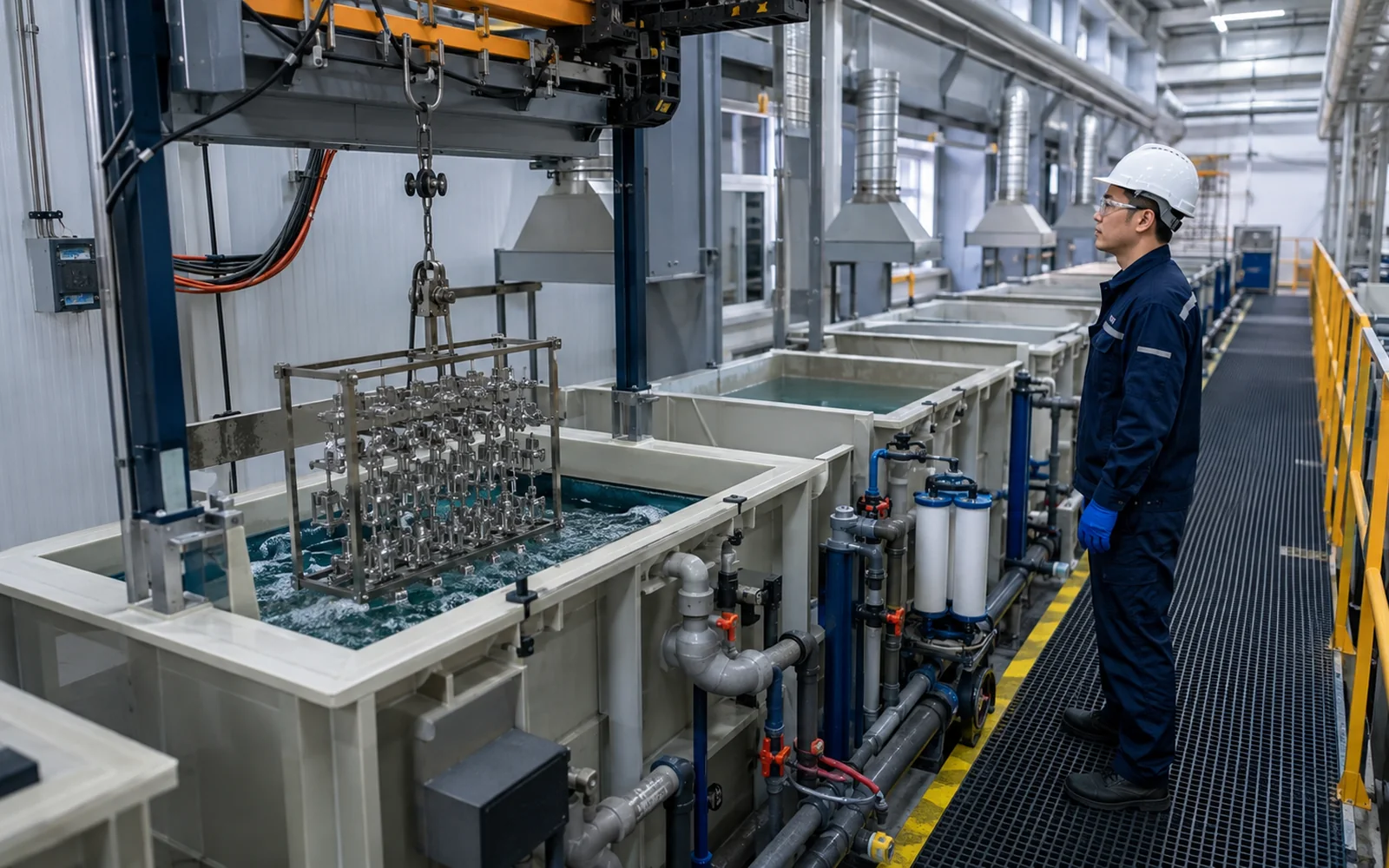
We review pH, temperature, metal concentration, reduction reaction, and bath stability to support uniform deposits.
Alloy-specific pretreatment, film formation, dyeing, sealing, and color variation are reviewed as one process flow.
Alloy composition, current conditions, conversion coating, and post-treatment are considered for corrosion resistance and appearance.
DEFECT SOLUTION
Defect photos, timing, operating conditions, and recent changes help prioritize whether pretreatment, the plating bath, equipment, or post-treatment should be checked first.
Prepare for defect consultationPretreatment · activation · rinse
Contamination · gas · filtration
Particles · anodes · agitation
Alloy · temperature · time
Rinse · post-treatment · drying
Current · agitation · fixtures
TECHNICAL SUPPORT MODEL
A field issue is rarely explained by one number. We begin with the substrate and process history, then prioritize the factors most likely to influence quality.
We collect the substrate, process sequence, chemicals in use, defect photos, timing, and recent changes.
INPUT · Photos / conditions / historyPretreatment, bath chemistry, equipment, rinsing, and post-treatment are separated into priority cause groups.
CHECK · Process prioritiesWe review the analysis items, chemical additions, condition adjustments, and sequence for a controlled trial.
ACTION · Add / adjust / testTrial results and recurrence are reviewed to organize the next control items and inspection interval.
FOLLOW-UP · Verify resultsMANUFACTURING · R&D · QUALITY
A connected flow from raw-material checks and production to in-process inspection, final inspection, and LOT management supports reliable supply.
The Bac Ninh production base improves supply response to customer schedules and operating conditions.
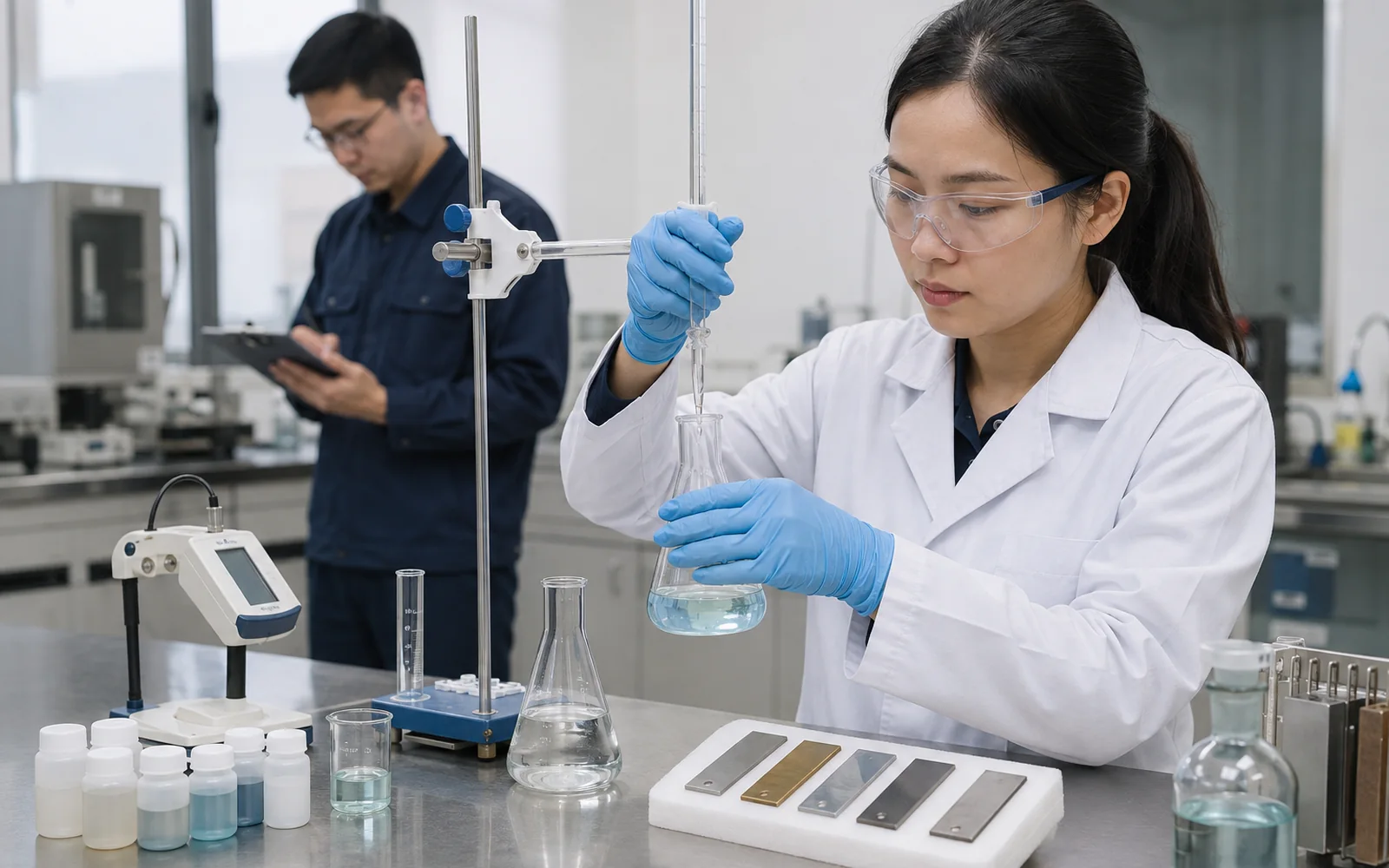
Process data and analysis items help separate possible causes and review application conditions.
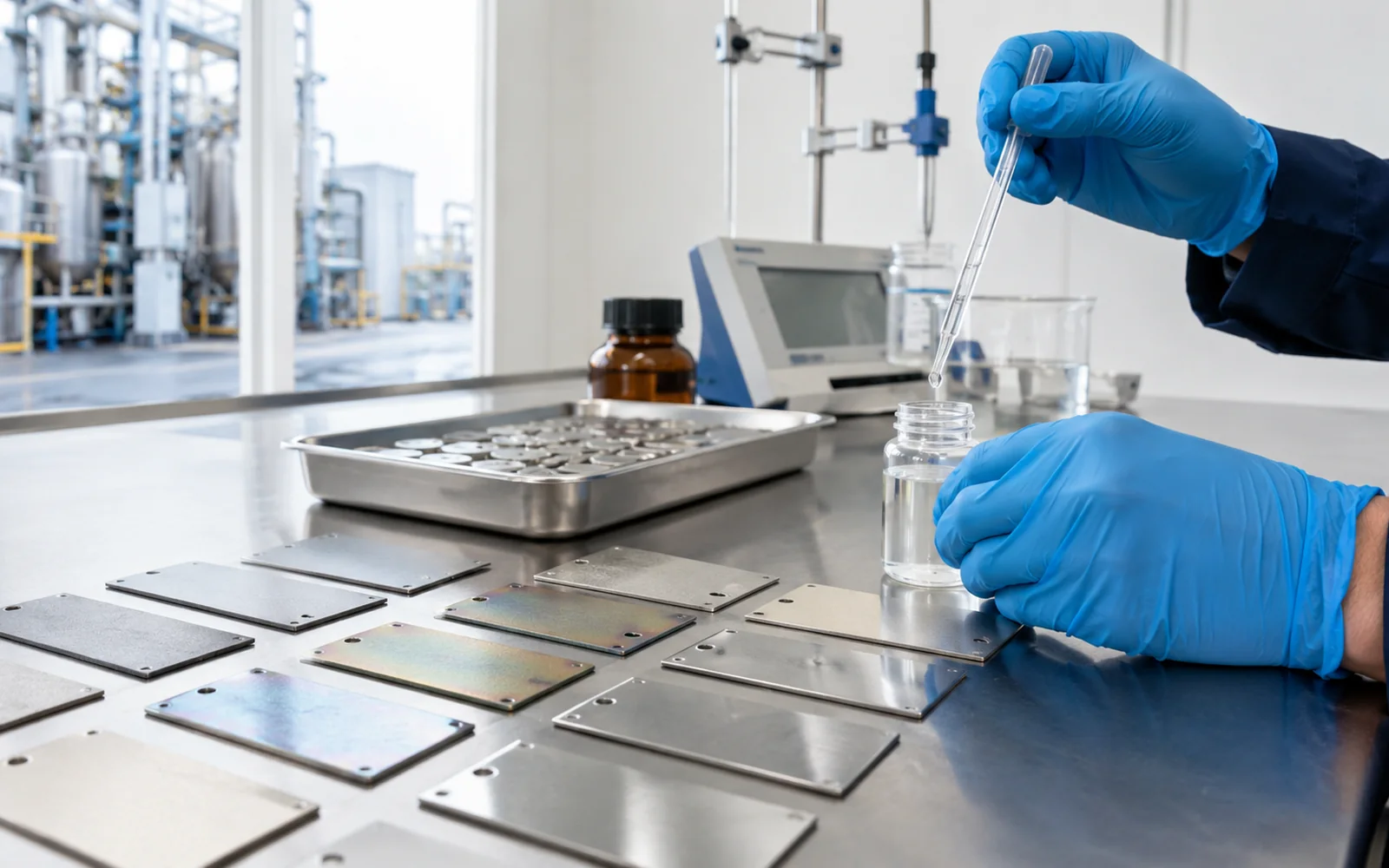
Inspection results and manufacturing records are managed by LOT from raw materials through shipment.
QUALITY FLOW
APPLICATION SCOPE
Instead of selecting a product name first, we consider the substrate, required finish, appearance, corrosion resistance, and downstream process.
Cleaning, activation, and electroplating are reviewed for steel, copper alloys, and stainless steel.
The process flow is reviewed from alloy-specific etching and desmut through anodizing, dyeing, and sealing.
Plating-bath and post-treatment conditions are reviewed for nickel, copper, tin, silver, gold, and other functions.
Basic chemicals, filtration equipment, and bath-control items are considered together with line conditions.
PLACHEM TECHNICAL BLOG
The PLACHEM technical team organizes field experience and diagnostic criteria into practical articles covering materials, bath control, equipment, and quality management.
Featured article

A field guide to substrate-specific oxide films, surface reactivity, pretreatment, and adhesion checks.
Read articleLatest articles

How air agitation, mechanical mixing, and circulation influence pits, stains, burning, and deposit thickness.
Read article
A diagnostic sequence for separating filtration problems from cases that may require activated-carbon treatment.
Read article
How contact resistance, current distribution, solution flow, and gas release affect contact marks and thickness variation.
Read articleShare the substrate, process sequence, operating conditions, defect symptoms, and control history. We will organize what should be checked first.