← All product groups

Products & Solutions · 06

Post-treatment & specialty chemicals

Anti-tarnish, protective coatings and specialty cleaning/removal processes improve appearance, corrosion resistance and storage stability after plating.
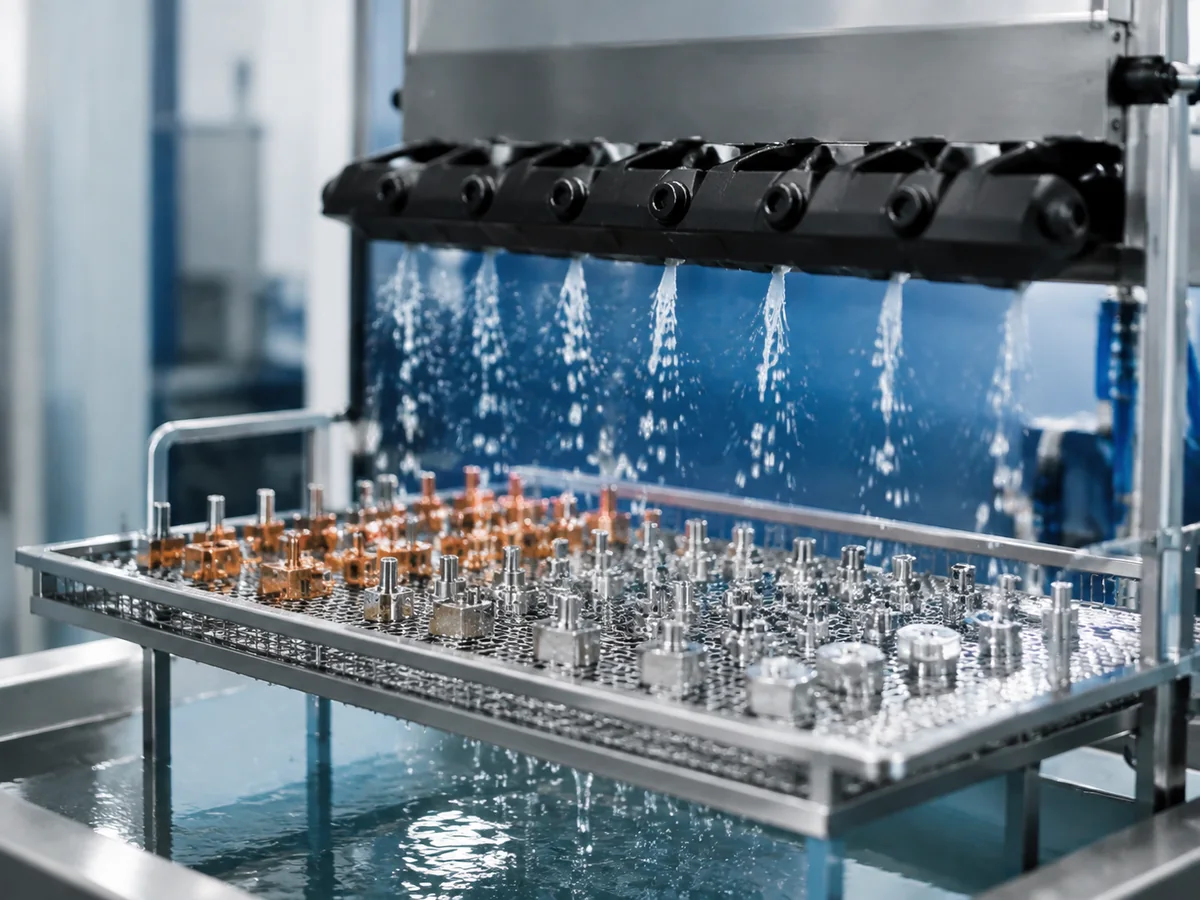
Concept image illustrating the Post-treatment & specialty chemicals process
Concept image for process illustration

PROCESS OVERVIEW

Product review starts with process conditions

Post-treatment is the final control stage that preserves the finished deposit. Surface condition immediately after plating, chemical residue, rinsing, drying and storage are reviewed together.

Suitability is reviewed with the substrate, upstream and downstream stages, control items, and required finish—not by product name alone.

Applicable substrates & targets
Copper and copper alloys · Silver-plated surfaces · Nickel- and tin-plated surfaces · Contacts and connectors · Decorative and functional parts
Application scope
Anti-tarnish and passivation · Transparent protective coating · Specialty cleaning · Oxide or coating removal · Post-plate rinsing and drying

CONTROL POINTS

Key control items to review before application

Current settings and recent changes help establish a more useful inspection sequence.

  1. 01Condition of the plated surface
  2. 02Concentration, pH and temperature
  3. 03Treatment time
  4. 04Rinsing and residue
  5. 05Drying temperature and time
  6. 06Handling, packing and storage
  7. 07Color, corrosion and contact performance

TROUBLESHOOTING

Common issues and first checks

One symptom can involve several process factors, so likely causes and the inspection sequence are reviewed together.

01

Tarnish or discoloration

Likely causes
Weak protection, residue, humidity or sulfur-bearing atmosphere
First checks
Check concentration/time, final rinse, packing and storage
02

Stain or water mark

Likely causes
Contaminated rinse, poor drainage or delayed drying
First checks
Review final-rinse water, part orientation and drying start time
03

Poor coating adhesion

Likely causes
Contamination, excess residue or insufficient drying/curing
First checks
Check post-plate surface and wait/dry conditions before coating
04

Low corrosion or storage life

Likely causes
Uneven film, handling contamination or unsuitable packaging
First checks
Compare the failure time with lot, packing and storage history

TECHNICAL SUPPORT

PLACHEM support scope

Field conditions and defect symptoms are used to organize the items that should be checked first.

  1. 01Post-treatment conditions by deposit type
  2. 02Cause classification for tarnish, stain and coating adhesion
  3. 03Rinse, dry, pack and store control plan
  4. 04Upstream/downstream impact of specialty cleaning and removal

Discuss application conditions for Post-treatment & specialty chemicals

Share the substrate, process sequence, chemicals in use, control values, defect symptoms, or required documents.